
Published: 2026-04-26
Oral Storytelling
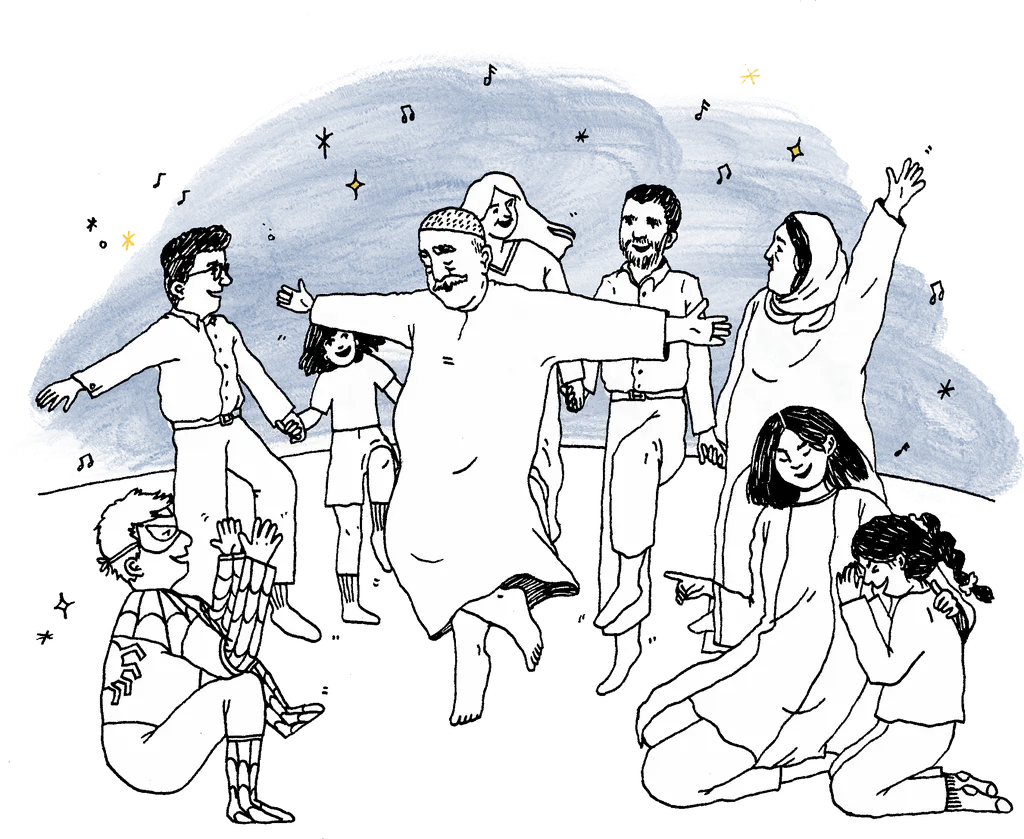
Learners will explore different examples of oral storytelling practices like Zajal, hekaye, and harvesting songs.
SUBJECTEnglish Language Arts
GRADE3rd Grade
Learning Objectives
- I understand that good storytellers use specific techniques to bring their stories to life.
- I can determine the main ideas and important details of a text, read loud, or information presented in different media and formats. (CCSS.ELA-Literacy.SL.3.2)
Essential Questions
- How are stories recorded?
- What are different ways I can tell my/my family’s story?
- How is oral storytelling different from other kinds of storytelling?
- What are other practices that are passed down from generation to generation?
Lesson Plan
Begin today’s lesson by recalling the learners’ main takeaways from their family’s interviews. This will help them connect the idea that storytellers are everywhere and a good storyteller utilizes tools to engage their audience.
Initiate another turn and talk. They may utilize the frame:
The moment that sticks out to me is _________ because_________.
After learners have shared, validate their responses and tie it back to what we have learned about being a good storyteller in lesson three. Add new learning to the “Good storytellers…” anchor chart.
Materials
INCLUDED MATERIALS
NEEDED MATERIALS
- “Good storytellers…” anchor chart from lesson 3
- Headphones
- iPads or Chromebooks
Food & Stories · 10 lessons
Continue toPassing Down Stories- 01Can a Picture Tell a Thousand Words?
- 02Life Around a Table
- 03How Can I Bring My Stories to Life?
- 04Preparing for Interviews
- 05Family Interview Connections
- 06Creating Recipe Stories
- 07You are hereOral Storytelling
- 08Passing Down Stories
- 09Preparing for Final Presentations Day 1
- 10Preparing for Final Presentations Day 2