
Astronomical Instruments
Learners explore the parts and function of different astronomical tools throughout the ages.
Unit:AstronomyIncludes
Astronomical tools thinking routine slides, Astronomical tools teacher guide
Rotation of the Earth
Learners are introduced to the rotation of the Earth through a video and the thinking routine ‘see, think, wonder.’ Learners read a short informational text about the rotation of the Earth and the patterns it creates.
Unit:AstronomyIncludes
Informational text about the rotation of the Earth, Astronomy unit vocabulary, Timelapse of the sun’s movement across the sky
Data
Learners explore the concept of a pattern and practice interpreting data.
Unit:AstronomyIncludes
Data lesson slides, Video of the rotation of the Earth, Astronomy unit vocabulary
Shadows
Learners investigate the relationship between shadows, an object and a light source and begin to understand that the rotation of the Earth causes a change in length and direction of shadows.
Unit:AstronomyIncludes
Timelapse of the sun’s movement across the sky
Revolution of the Earth
Learners will be introduced to the revolution of the Earth and investigate a new pattern the movement of the Earth creates - the seasonal appearance of stars in the night sky. The investigation takes place through a folktale and an informational text.
Unit:AstronomyIncludes
Thuraya’s folktale, Informational text about the Earth’s revolution, Astronomy unit vocabulary, Video of the Earth revolving
Constellation Tour
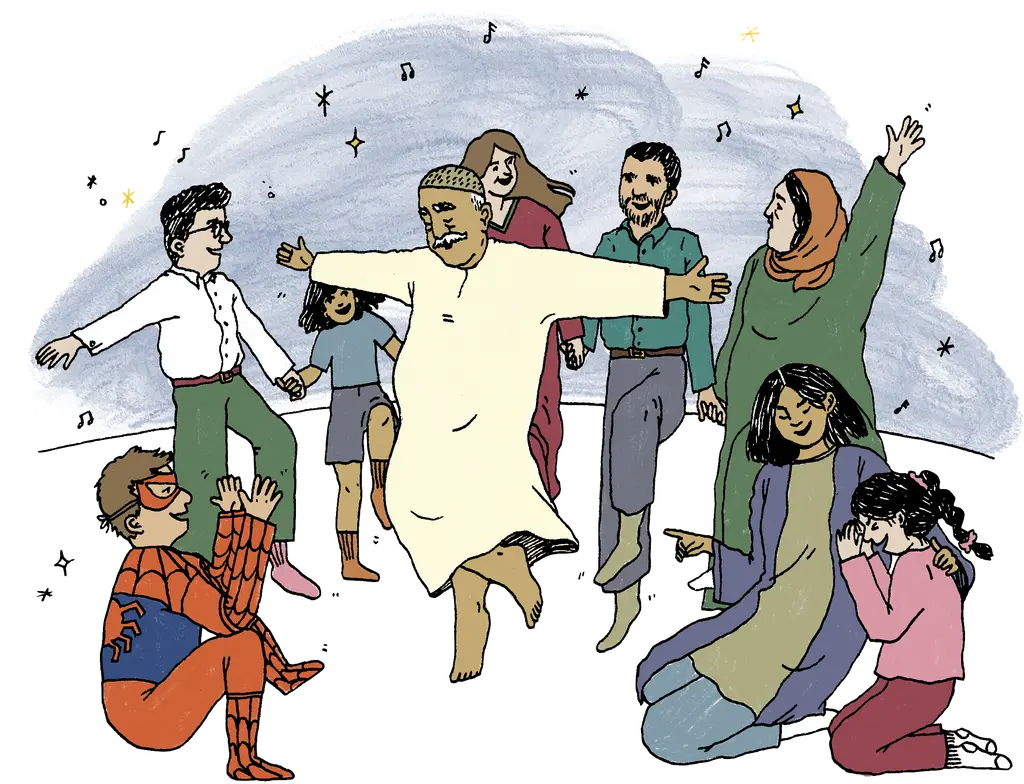
Learners will investigate the seasonal appearance of stars in the night sky using movement and storytelling.
Unit:AstronomyIncludes
Well bucket constellation, Pictures of Seasonal Stars, Constellation tour student roles, Constellation tour script
The House of Wisdom
Learners will watch a short video on astronomy in the medieval Islamic empire and investigate the special contributions of Islamic astronomers.
Unit:AstronomyIncludes
Informational text on medieval Islamic science, هارون الرشيد وابنه المأمون.. زمن بغداد الذهبي, بيت الحكمة تأليف بدور القاسمي, مريم وتنين الشمس
Mapping exploration
Learners rotate through mapping stations, starting to define their understanding of space and place through different modalities including geography and art literacies.
Unit:Geographies of HomeIncludes
Lesson slides, Heart-map handout, My Map Book, Sarah Fanelli
Connecting to Special Places
Learners brainstorm special places and think about what makes it special. Learners use inspiration from various artists to bring their chosen places alive.
Unit:Geographies of HomeIncludes
Special places handout, Mentor texts and artists
Sound maps
Learners explore representations of different sounds as they create sound maps.
Unit:Geographies of HomeIncludes
You Draw My Hum lesson plan, Nia Fekri, Sonic hunt handout, Lesson slides
Home in Place
Learners collaboratively build a story map of their school or surrounding area.
Unit:Geographies of HomeIncludes
Mapping activity sheets, Home in place slides
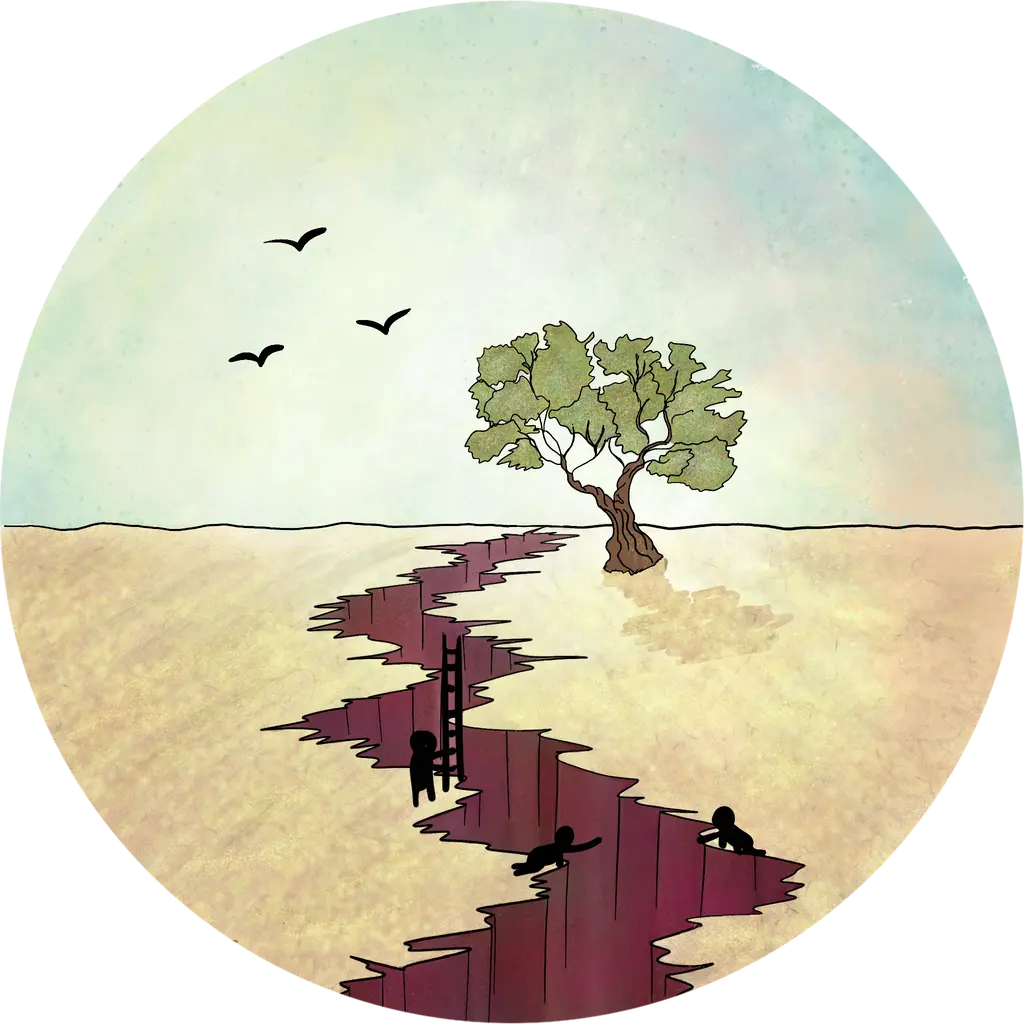
Are Maps Always Truthful?
Learners understand that maps can be inaccurate and explore artists who work to capture the true spirit of a place when maps fail us.
Unit:Geographies of HomeIncludes
Lesson slides
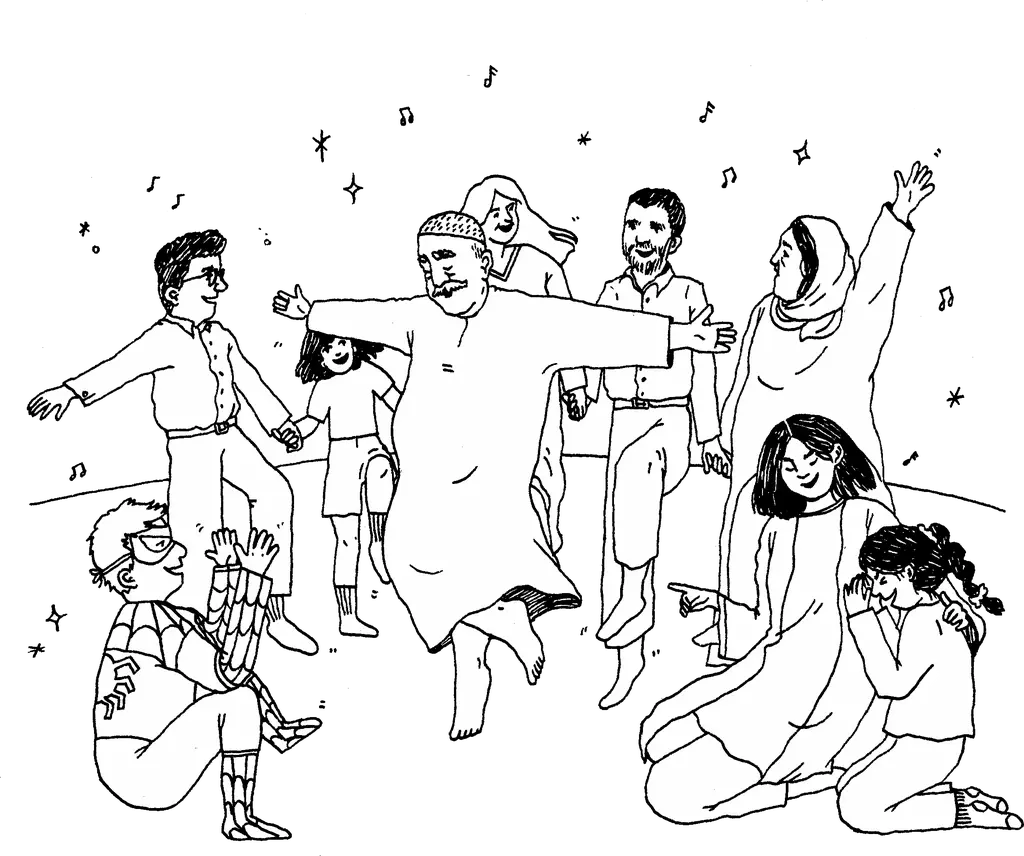
Dream Maps
Learners create multimedia maps of their dream places and worlds inspired by decolonial mapping.
Unit:Geographies of HomeIncludes
Dream maps handout
Community Maps
Learners understand that people make home and create their own community maps of the people they hold near.
Unit:Geographies of HomeIncludes
Winti Hon (وانتِ هون), Ruba Shamshoum and Amy Chiniara — animation, Community map example
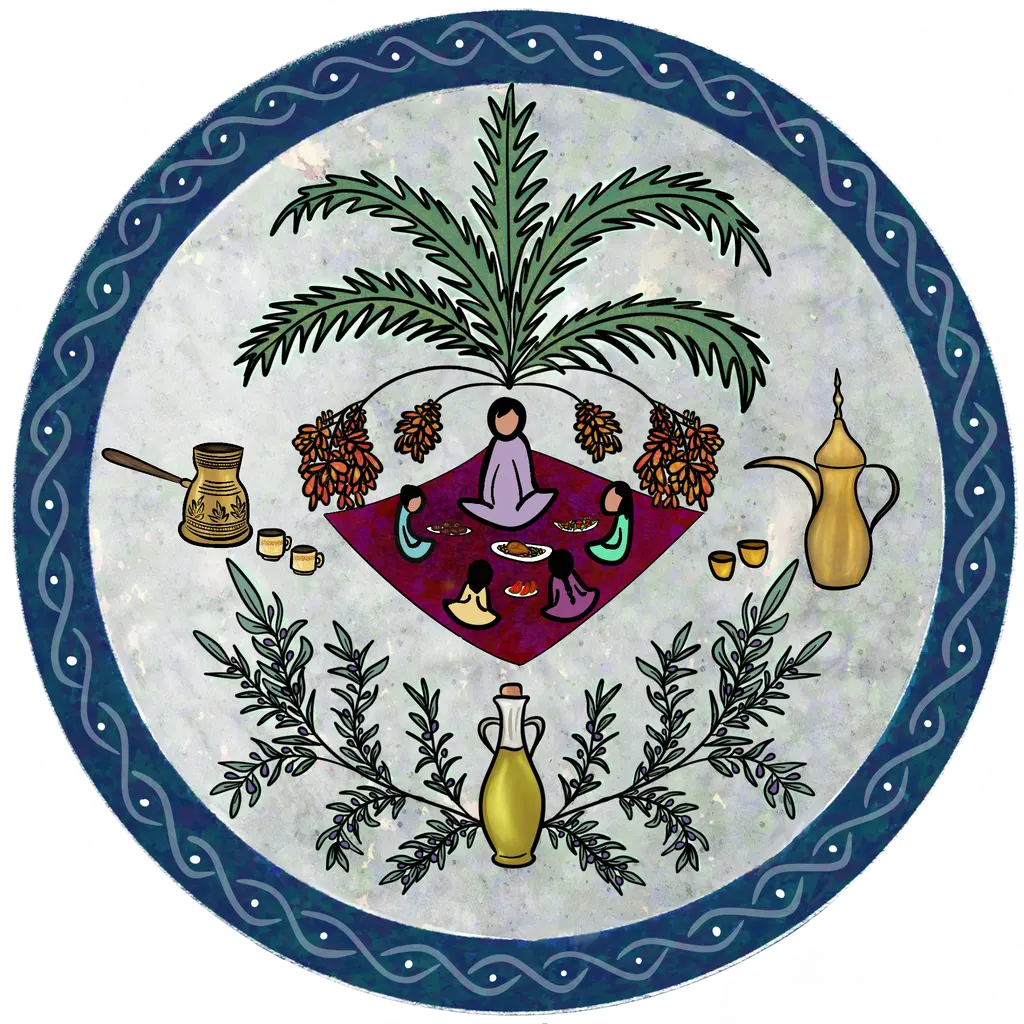
Can a Picture Tell a Thousand Words?
Learners begin to understand that storytelling is multimodal. Learners experiment in creating a wordless story inspired by a mentor text.
Unit:Food & StoriesIncludes
Storytelling scaffold: people and places
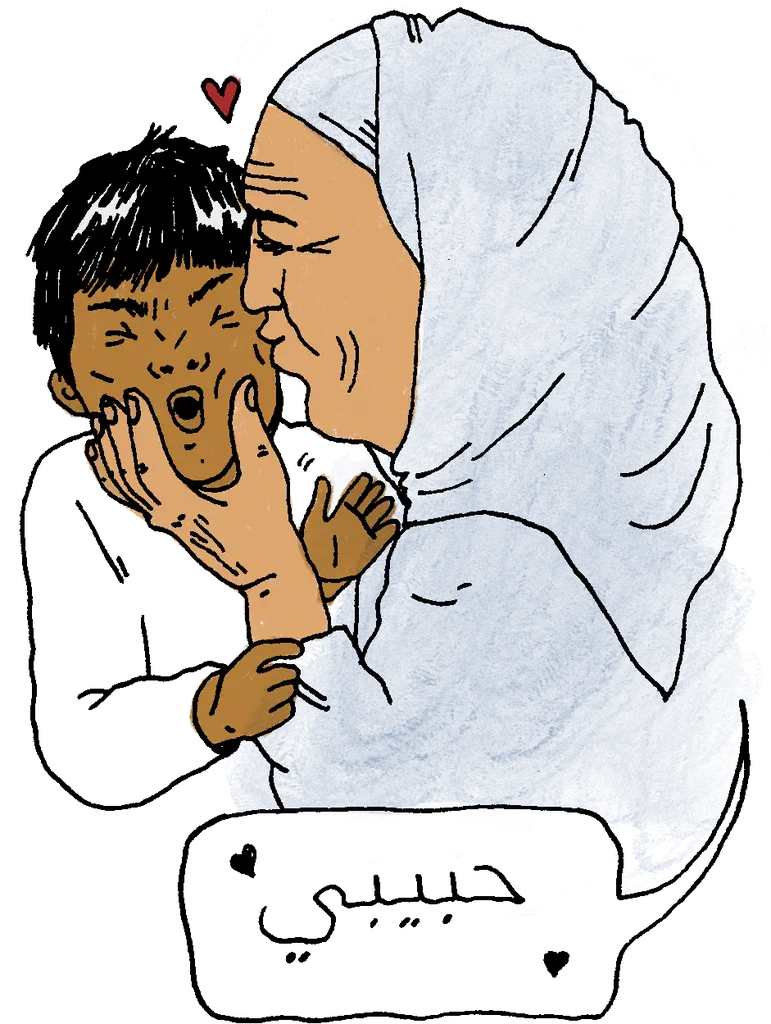
Life Around a Table
Learners create a visual representation of a tablescape or sofra, drawing the foods they might eat, the objects that might be strewn on their table, and adding dialogue that is commonly heard.
Unit:Food & StoriesIncludes
Sample tablescape / sofra
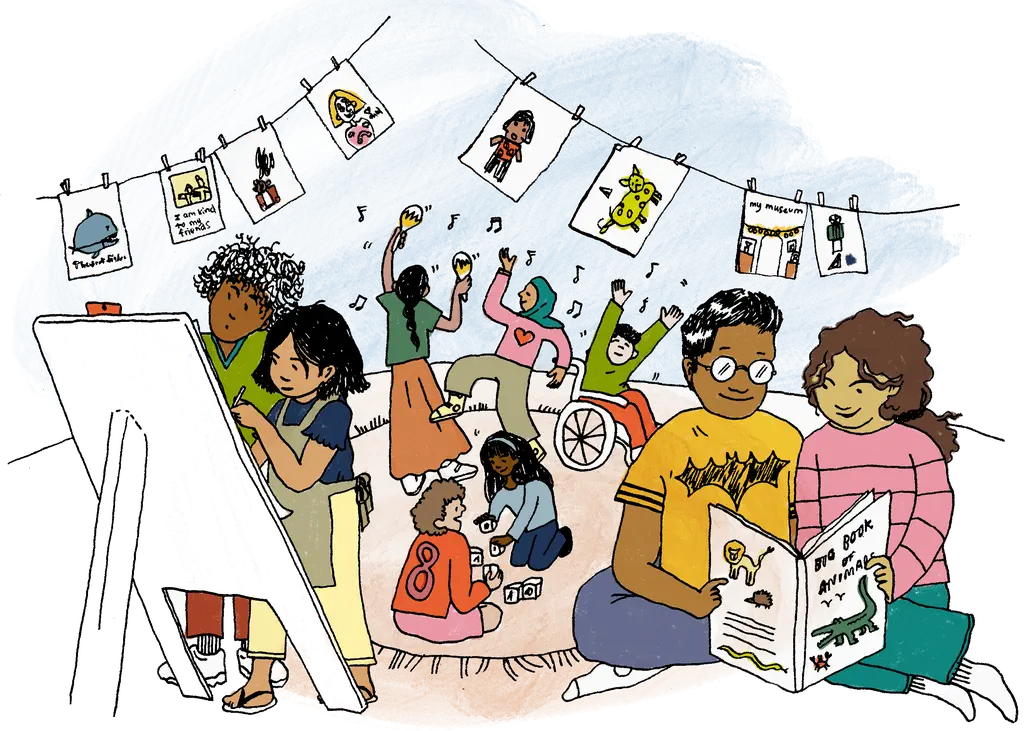
How Can I Bring My Stories to Life?
Learners will brainstorm different special moments with a loved one and create a comic strip/storyboard to represent it. Learners experiment with figurative language to bring their writing to life.
Unit:Food & StoriesIncludes
Comic book template, Ten Ways to Hear Snow (Arabic excerpt)
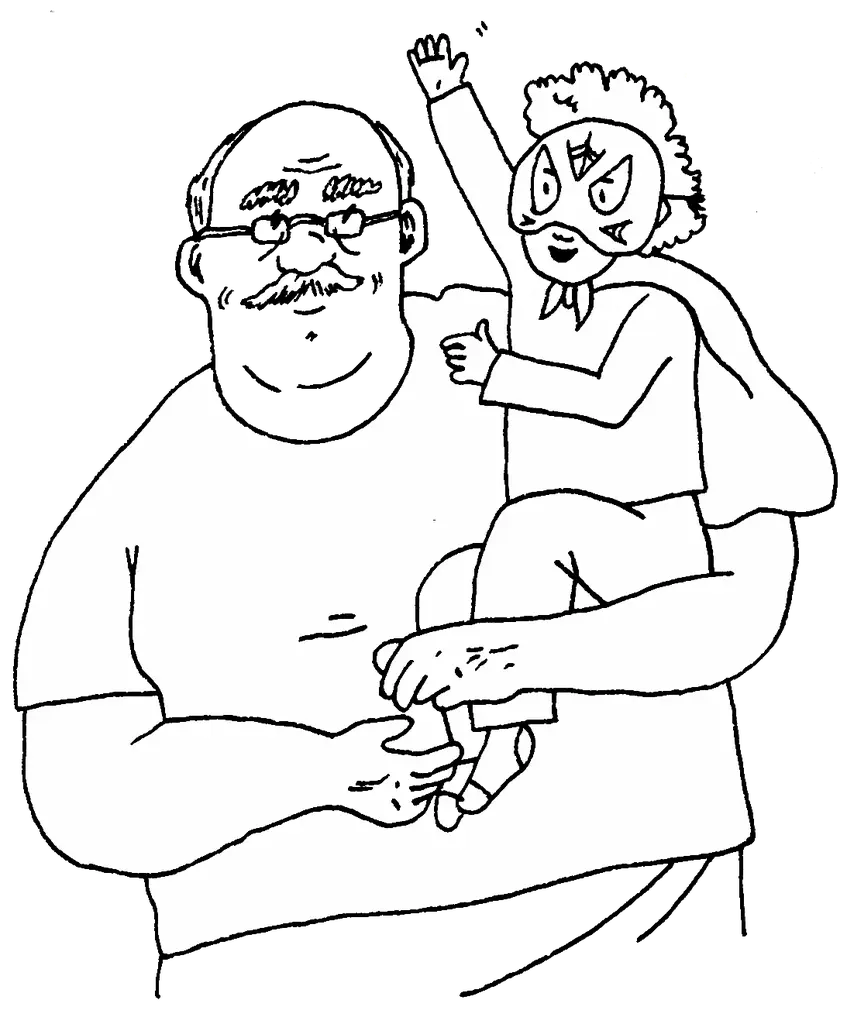
Preparing for Interviews
Learners reflect about their relationship with favorite family recipes and brainstorm questions they would like to ask a family member about food or recipes. This is preparation for a family interview.
Unit:Food & StoriesIncludes
Mentor texts: ways I can tell my family’s story, أكلنا من
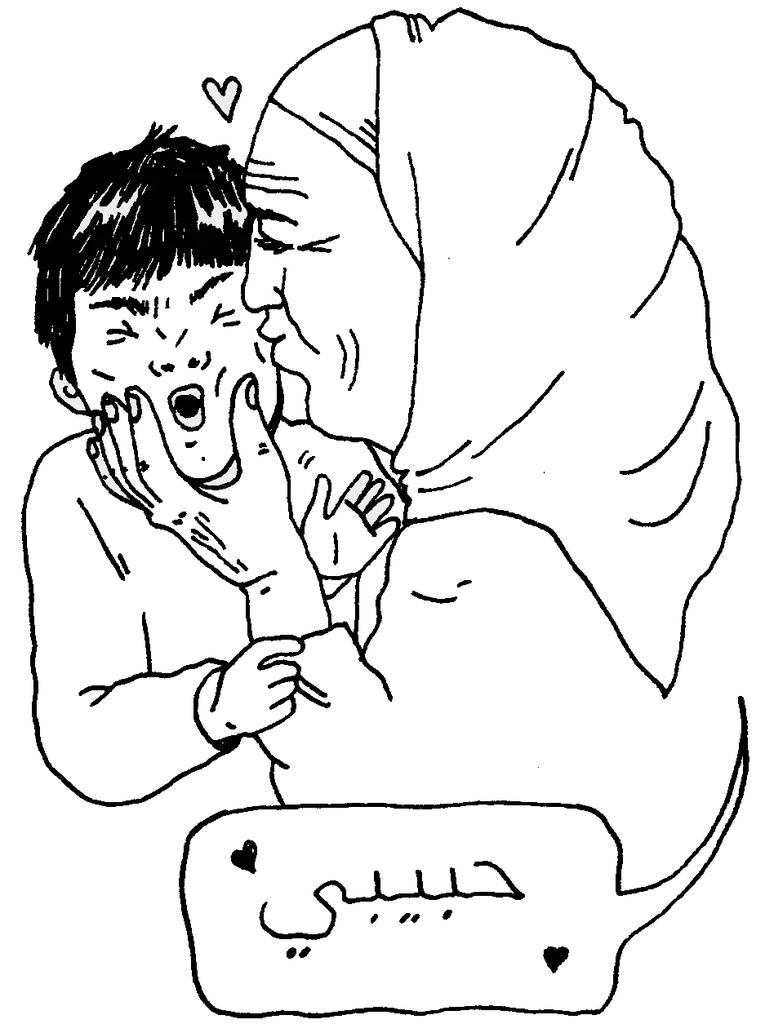
Family Interview Connections
Learners will make meaning of interviews. Learners share their interview with a partner, looking for similarities.
Unit:Food & StoriesIncludes
Same, different, connect, question, Family interview connections
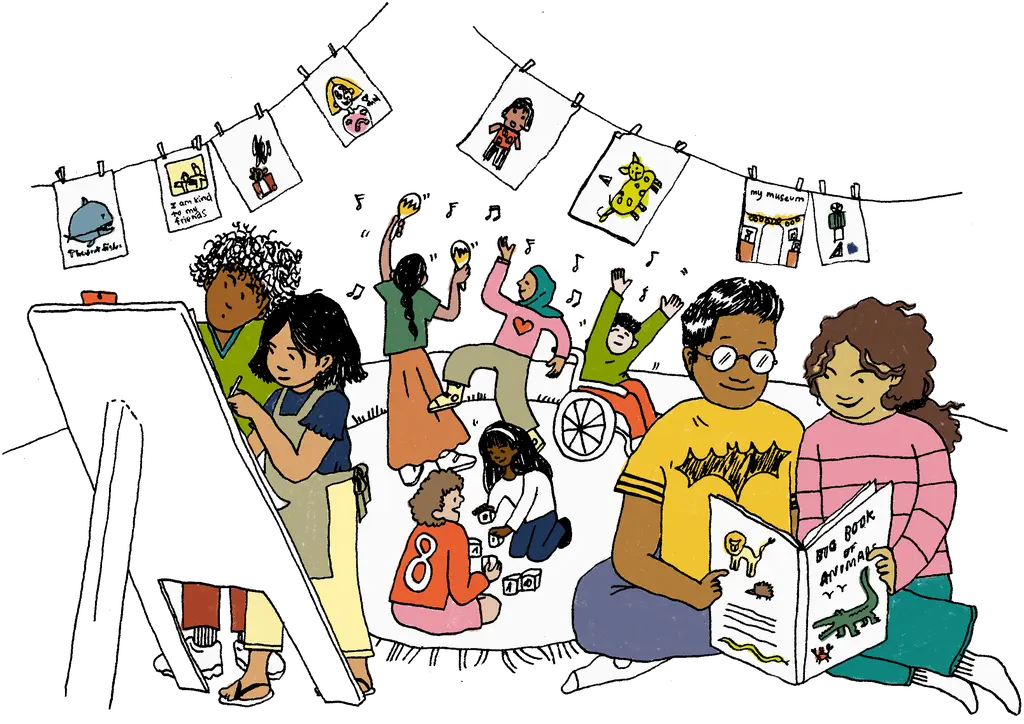
Creating Recipe Stories
Learners will use their family interviews to create multimodal recipe stories.
Unit:Food & StoriesIncludes
Family interview connections
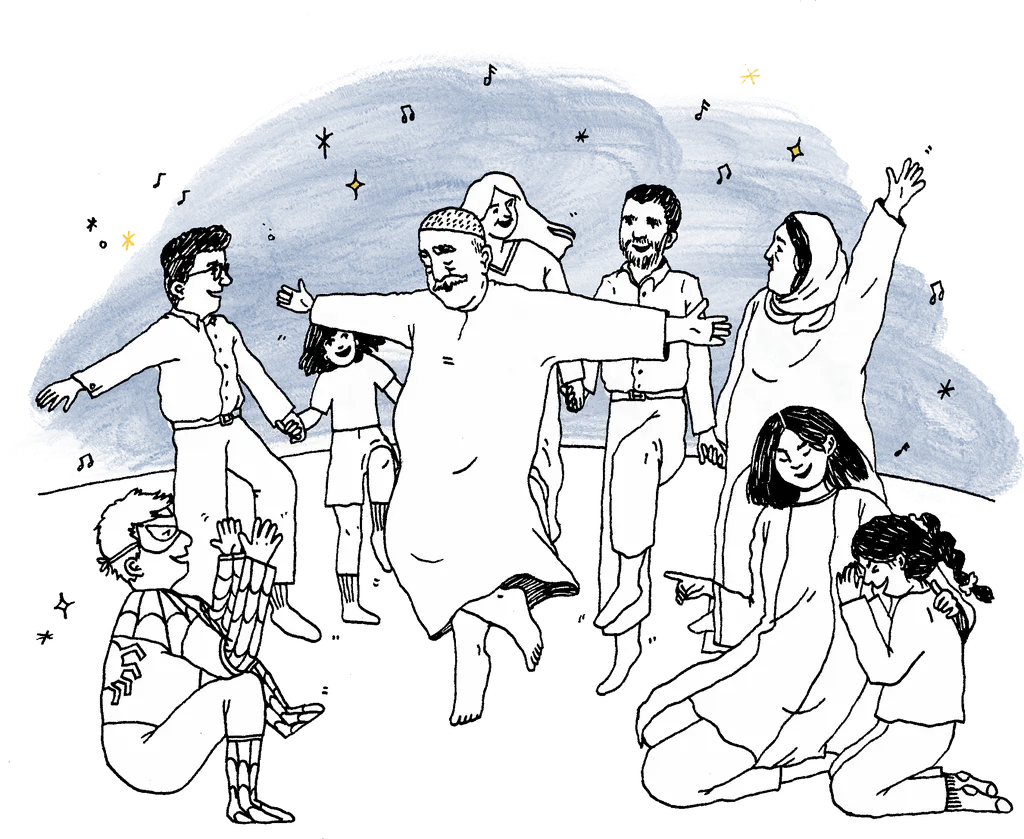
Oral Storytelling
Learners will explore different examples of oral storytelling practices like Zajal, hekaye, and harvesting songs.
Unit:Food & StoriesIncludes
Food and Stories unit vocabulary, Examples of oral storytelling, Oral storytelling observation tool
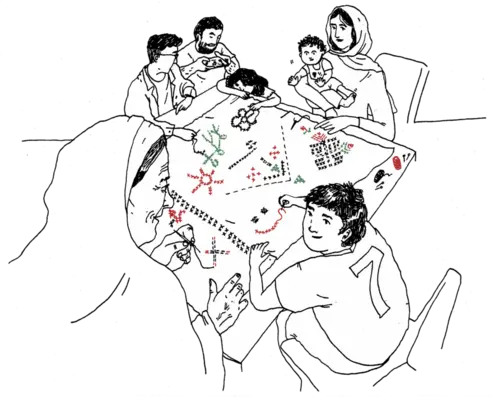
Passing Down Stories
Learners explore hakawatias like Fida’a Ataya as they learn how kharareef are passed down from generation to generation.
Unit:Food & StoriesIncludes
Slides on Fida’a Ataya, Folktales from Hakaya Stories on SoundCloud (Arabic), Timeless Tales (English)
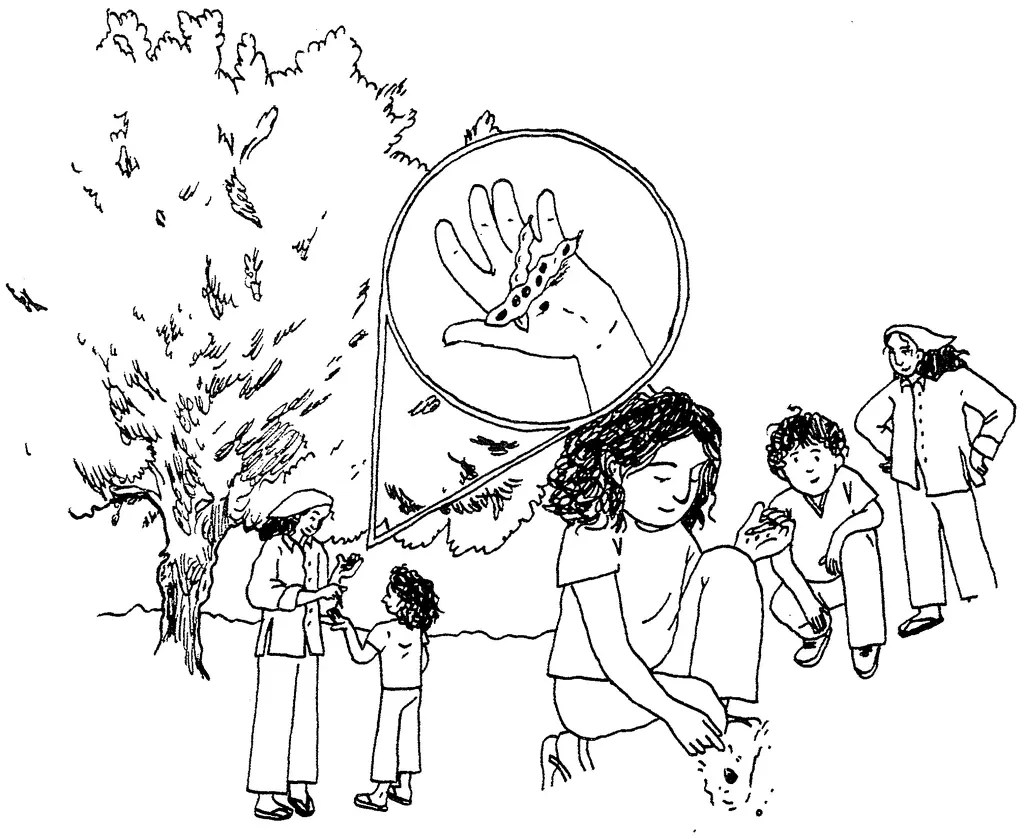
What do seeds need?
Learners read the mentor text, بذور by نور الهدى محمد and understand the things that seeds need to grow into healthy plants through a hands-on planting activity.
Collection:Arabic Language Arts Mentor Text LessonsIncludes
"What does a seed need?" anchor chart
Comparing and Contrasting Character Traits
Learners read ماما بنت صفي and discuss character traits that Abeer possesses. Learners then compare and contrast character traits, behaviors, and identities between Abeer and themselves.
Collection:Arabic Language Arts Mentor Text LessonsIncludes
Abeer character traits, Abeer and me
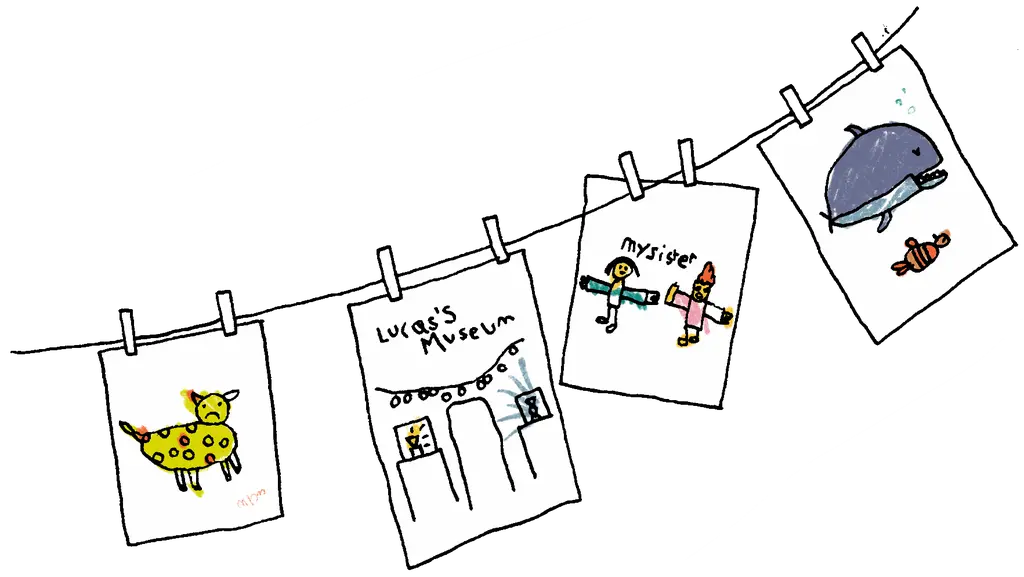
Creating List Stories
Learners read رف الأباريق by عائشة الهاشمي that turns a simple teapot into ten imaginative tools that inspire our young narrator to paint, make music, decorate windowsills, and finally, write. Students are guided to create their own list stories in the same style.
Collection:Arabic Language Arts Mentor Text LessonsIncludes
List story template